
A successful farm is dependent on multiple factors—weather, water, soil health, and agricultural techniques and tools that farmers employ—including having a healthy pollinator population nearby.
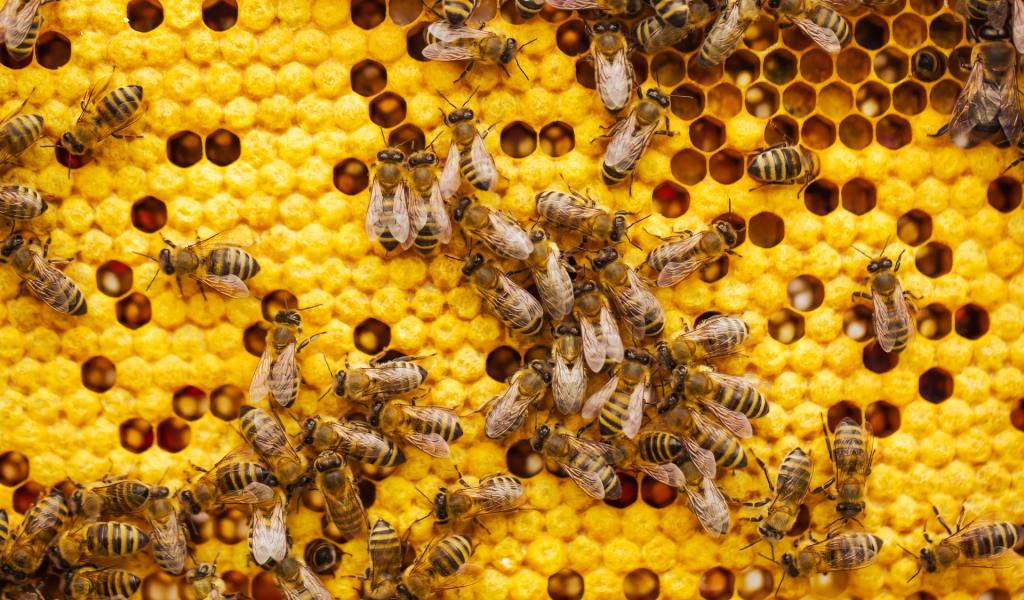
Many of my farmer colleagues raise bees themselves on their farms. In fact, there’s a cottage industry where farms can lease hives to pollinate crops in the growing season.
Some of New York’s most popular and abundant crops are pollinated by these hard-working insects—they are a valuable and important business partners.
So, who more than farmers would want pollinators to thrive?
That’s why claims of tools the agriculture community uses to help grow heartier, healthier crops are the primary threat to bees is false and does not address other stressors or recognize that bee populations have actually only grown stronger.
These claims, under the guise of protecting pollinators, have led to legislation being filed to ban the use of neonicotinoids and related treated seeds in New York. The basis of this legislation is simply misinformed claims and fear mongering.
A recent article by activists along with scare tactics and misinformation campaigns are helping to advance this misguided legislation.
The truth is New York’s bee population is not in danger. According to the USDA National Agricultural Statistics Service (NASS) bee colony populations are up two percent nationwide.
In New York, over 46,000 colonies were added and renovated from January 2020 to June 2021, compared to 22,100 colonies lost, yielding a net positive number of New York hives. Amongst honeybee stressors, pesticides ranked last or second to last in the most recent report data. A far more worrisome threat to bees is the varroa mite and the impacts of climate change on habitats.
New York has been a leader in pollinator health, starting with the Pollinator Protection Program that was established in 2015. In the following years, New York has recommitted to pollinator health, including amending existing laws to better reflect more modern bee care practices and monitor honeybee populations and ensure greater oversight of hives and disease.
Furthermore, New York already has one of the most robust pesticide control laws in the country, on top of the regulation that exists at the federal level. New York is a leader among states that independently undertake a separate and thorough review of pesticide products before they are registered for use.
Responsible use of these pest control products allows seedlings the best opportunity to grow and our farms to flourish, while keeping at bay pests that could devastate some of our most sought-after produce-like onions and cabbage, corn, apples and grapes.
As New York prioritizes climate change and sustainability, farmers are on the front lines continuing and adopting climate smart ag practices. Pesticides and herbicides support sustainable agricultural practices by enabling farming operations that improve soil erosion, conserve water, and reduce fuel, such as no-till farming.
At a time when a trip to the market is costing consumers more than ever, and our leaders are pledging to fight inflation and climate change, why would New York pass burdensome laws on farmers that won’t directly address honeybees primary challenges and that will further drive-up costs and potentially exacerbate food availability issues?
This legislation is a direct threat to the agriculture community that puts food on New Yorker’s plates.
I urge lawmakers to support farmers and reject the falsehoods in S.699C.
Brian Reeves is a farmer in Baldwinsville and President of the NYS Vegetable Growers Association.
 New York for Common Sense Pesticide Policy